What No One Tells You About Bitcoin Security

Lately, there have been several high-profile bitcoin thefts and a pretty thorough decimation of its price. It seems as though many tie the value of bitcoin to the speculative nature of its asset-based properties.
However, no one should think the real-world value of bitcoin is limited by its current market price.
It is important to remind people the societal value that bitcoin will unleash. Recent weaknesses in price, coupled with a few high-profile thefts, Bitstamp being a notable example, have only momentarily tarnished bitcoin.
It has not made bitcoin as a technology stack any weaker or riskier to use in the process.
Neither the thefts nor the low price of bitcoin as of late reveals any vulnerability in the associated technology behind the cryptocurrency’s novel blockchain cryptographic ledger.
In fact, the bitcoin blockchain presents an authority model that will transform everything.
Here we provide a focus on the coming transformation of how bitcoin technology is implemented into various systems.
IT Security #
It’s impossible to not have noticed the massive password databases that were hacked in 2014. These included the breach of eBay as well as Domino’s Pizza, where in that particular instance malicious actors actually held customer data for ransom.
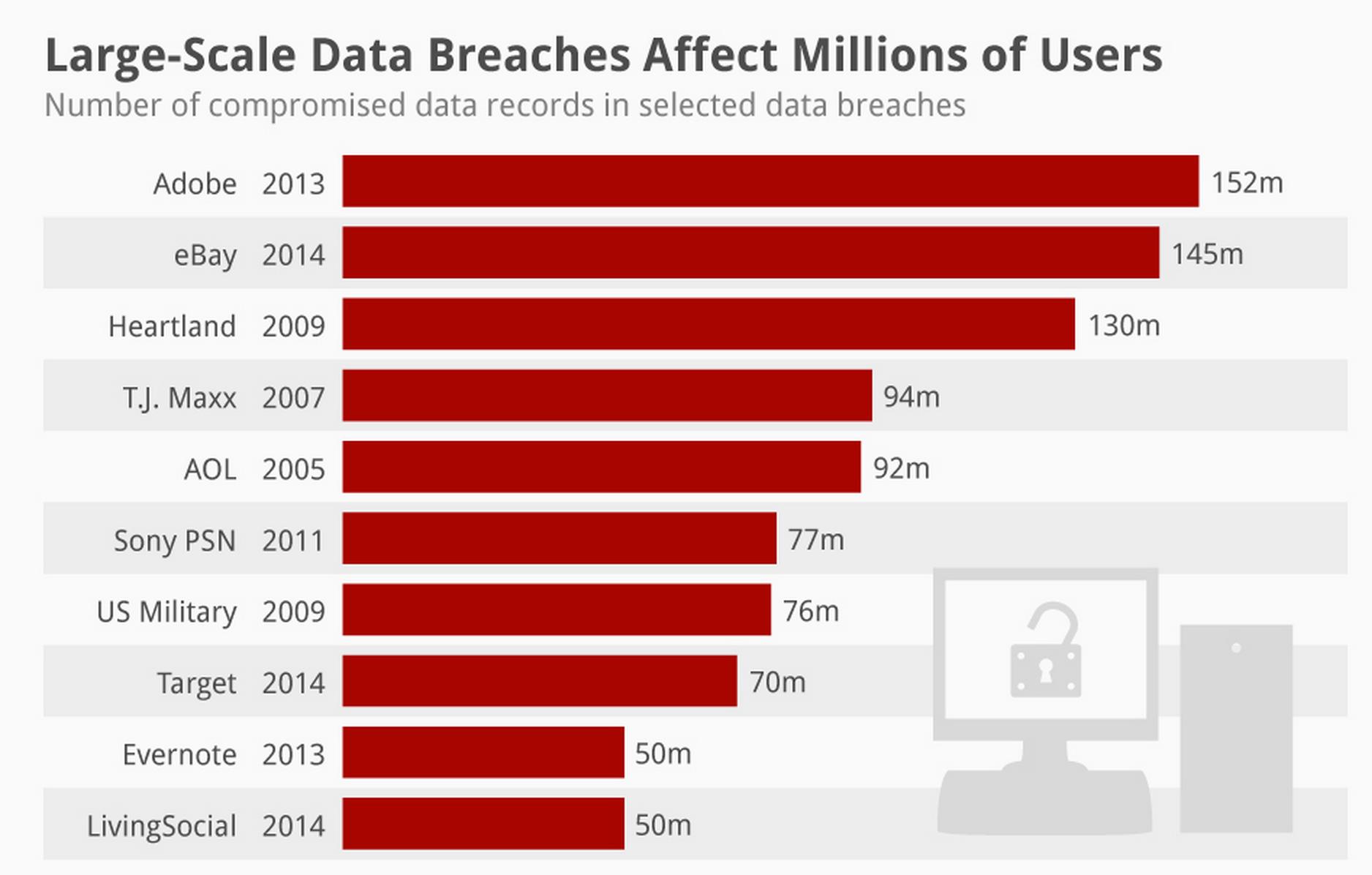
Source: Statistica
One of the reasons why these hacks have become so frequent stems from centralized certificate authorities that are entrusted to ensure security in IT systems today.
Consistent, multiple failures have been exposed with this model – because it relies on a centralized system.
With a theoretical single point of failure, if a centralized attack vector is hacked, all security is subsequently lost.
This is why there needs to a new model to push technology security forward.
What no one talks about during the discussion over bitcoin’s price is the security it can provide. With cryptographic systems that rely on peer-to-peer consensus, a whole new world of distributed IT networks can effectively be hardened from the traditional methods of attack.
The reason why a bitcoin-designed approach works for security is based upon decentralized consensus, which is inherent to the system.
An interesting implementation of this includes BitPay’s BitAuth user-cached cryptographic model for authentication.
%5D(https://svbtleusercontent.com/tcksbfbfpwnlaa.png))
In essence, technologies like BitAuth seek to decentralize systems to a level of sophistication that distributes and limits attack vectors.
Alternative cryptographic ledger systems have also been adapted from the core bitcoin technology, enhancing certain properties from the original bitcoin blockchain.
Some of these include NXT, Counterparty and Hyperledger. These bitcoin-derived alternatives are also potential contributors to the real-life application of new authority models enabled by decentralized cryptographic ledgers.
Trustless Digital Contracts #
Along with achieving new levels of IT security, bitcoin-based trustless models can be the foundation for programmable, software-based agreements.
This burgeoning field, also referred to as smart contracts, is an expression of new authority models enabled by distributed cryptographic ledgers.
There’s no doubt centralized digital contracts – for example, Apple’s iTunes model – will eventually perish.
This is due in part to the brittleness underlying what is now an old contractual model.
In a digital world, many people don’t even understand the terms of services they accept when using a new digital product or service.
Apple and most other large technology companies have run roughshod over a broken paper-based contracts system by using blanket terms of services most users never even examine. This is not the answer, and is only a stopgap until a better solution emerges.
Applying the paper contract approach to terms of services that no one ever reads, much less understands, is not exactly a transparent solution to digital contracts.
Bitcoin and other cryptographic blockchains can serve as a solution for this problem.
With programmable smart contracts, people can instantly know whether a contract should be agreed upon because they can choose the criteria dictating what they approve of.
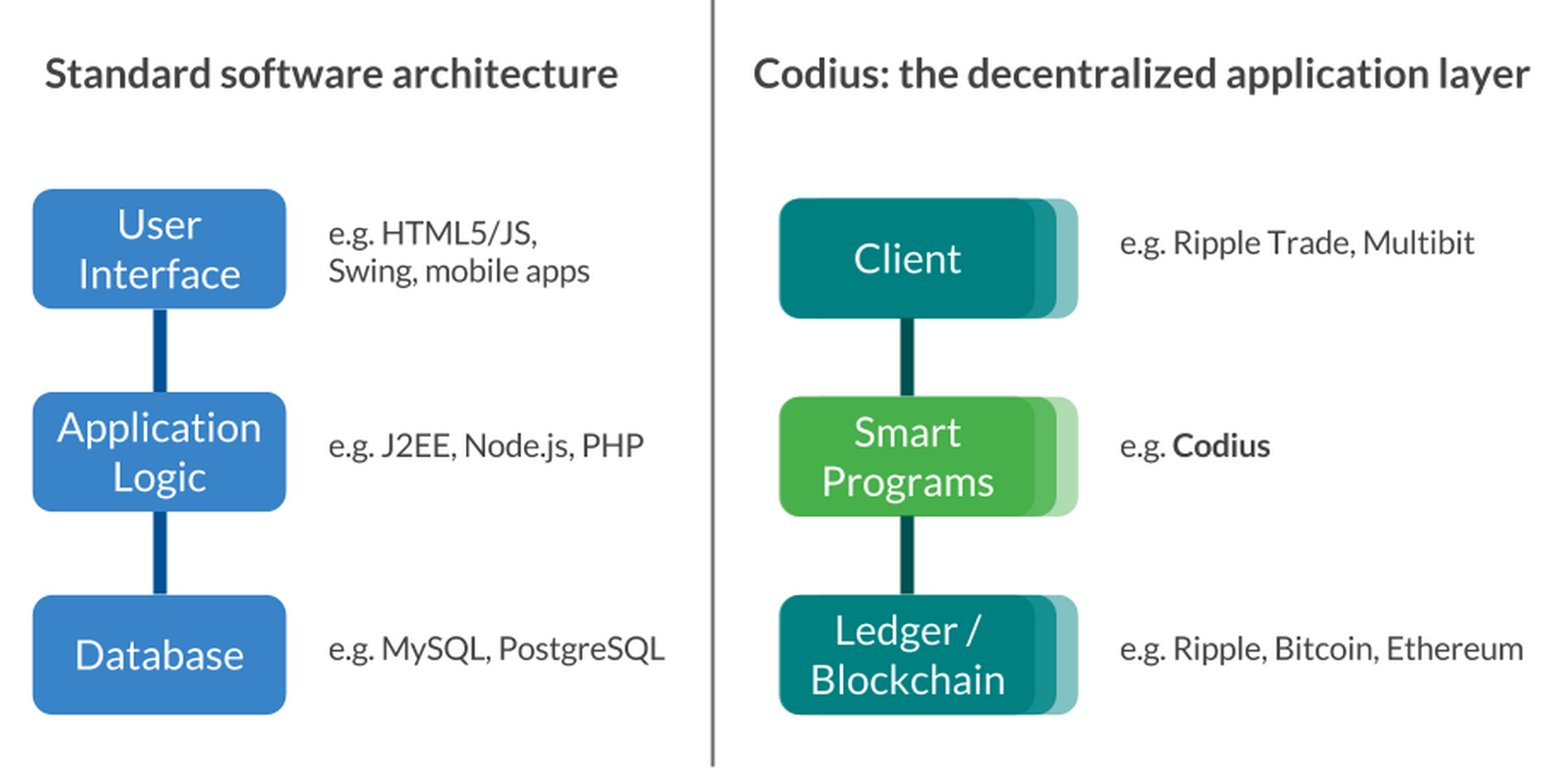
Source: Ripple Labs Codius smart contracts project.
These stipulations can include rights to certain aspects of privacy, billing arrangements and accepting certain terms of risk. This can be done through software in a way that user interfaces let people understand what they are actually agreeing to.
Consensus Securitization Will Rule the World #
To be clear, the brittleness is apparent in the existing certificate-authority structure is shared by all centralized systems.
This prevailing flaw affects every industry today and leads to increased costs, less efficiency and increased exposure to possible data theft.
Bitcoin and its blockchain distributed trust model will be better capable of improving overall technology security in the future.
This is more important than the price of bitcoin or thefts of BTC that occur in the ecosystem. Bitcoin being capable of enabling better security and more intelligent systems is what’s really essential – that is its true intrinsic value.
There are many important applications that cryptocurrency can help facilitate.
These include, of course, distributed information technology systems and smart contracts. Other concepts along this line of thinking are simply unfathomable right now – but not for much longer.
Bitcoin can bring us to a more decentralized and secure future, the infrastructure to make it powerful just takes time to deploy.
The infrastructure components surrounding exchanges conducted on the blockchain have and continue to be the weak link. The industry appears to be in a learning process of how to bring the infrastructure components up to the security standard of the blockchain itself.
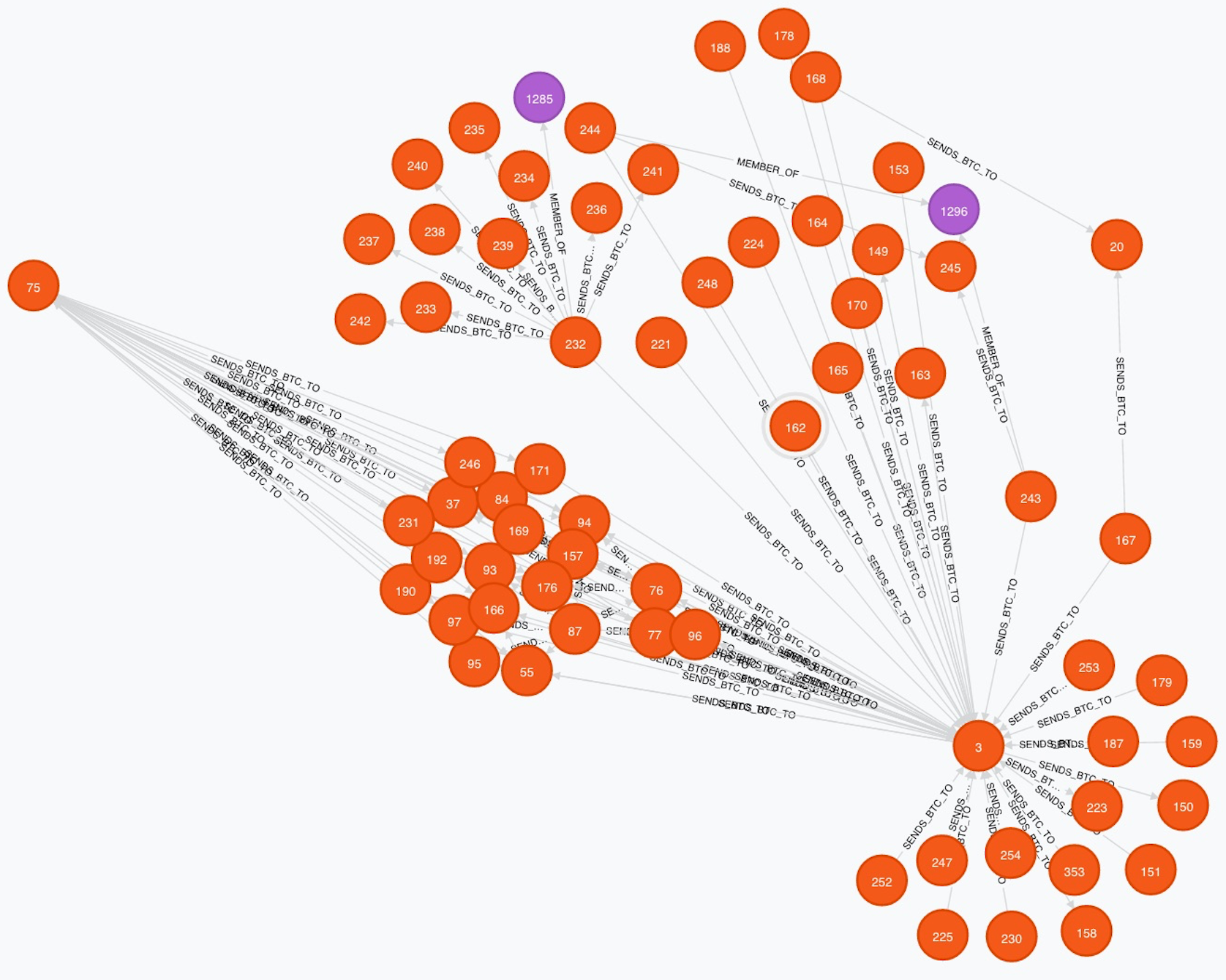
At Coinalytics, we concentrate on giving bitcoin companies better intelligence about bitcoin. We take blockchain information, give it context, and provide an API to turn that data into useful insight.
We are committed to helping build the infrastructure for decentralized systems.
Our goal, in the end, is to achieve greater trust in the ecosystem for everyone who uses bitcoin.